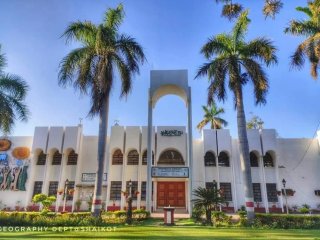
Aligarh Fort

Aligarh Fort is a historic stronghold located in Aligarh, Uttar Pradesh, India. It is known for its strategic design and association with several major events in North Indian history, particularly during the Mughal and British colonial periods.
Key facts
-
Location: Aligarh, Uttar Pradesh, India
-
Constructed by: Sabit Khan, governor under Mughal Emperor Farrukhsiyar
-
Construction period: Early 18th century (around 1724–1725)
-
Architecture style: Mughal military architecture
-
Current use: Historical monument and tourist site
Historical background
The fort was commissioned by Sabit Khan, the Mughal governor of Kol (present-day Aligarh), in the early 18th century. Built over an earlier fortification, it was designed to serve both as a defensive structure and as a seat of local governance. Its construction marked the consolidation of Mughal influence in the region.
Architecture and layout
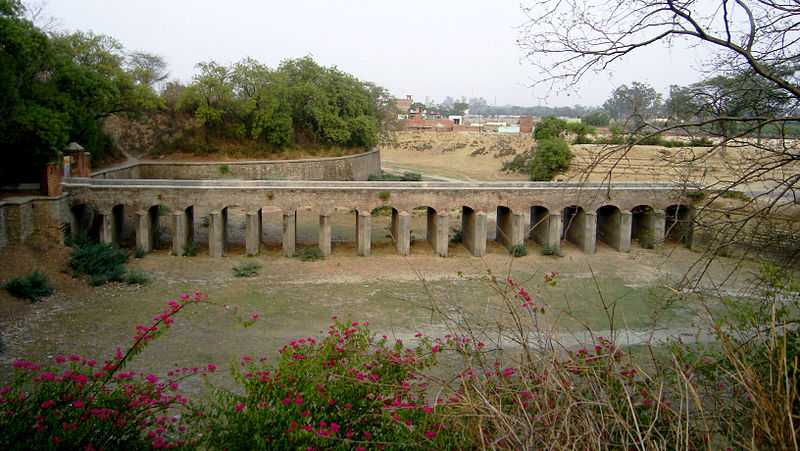
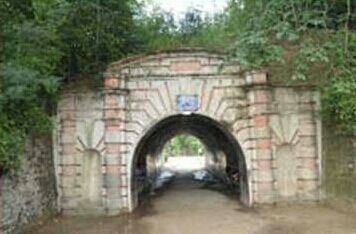
Aligarh Fort features a roughly triangular plan with massive bastions, thick ramparts, and a surrounding moat. The fort is known for its strong gates and bastioned walls made of stone and brick. Within the complex are remnants of Mughal-era buildings and later additions from British control, showcasing a blend of architectural influences over time.
Role in colonial history
The fort gained prominence during the early stages of British expansion in India. It was captured by British forces under General Gerard Lake in 1803 during the Second Anglo-Maratha War. The battle for Aligarh Fort was a decisive event that helped secure British control over the region of Doab.
Present condition and significance
Today, Aligarh Fort stands as an important archaeological and tourist site. Though much of its interior structures have deteriorated, the outer walls, bastions, and gateways remain impressive examples of early modern Indian military architecture. The site attracts historians and visitors interested in Mughal and colonial-era fortifications.