Aligarh Muslim University Campus
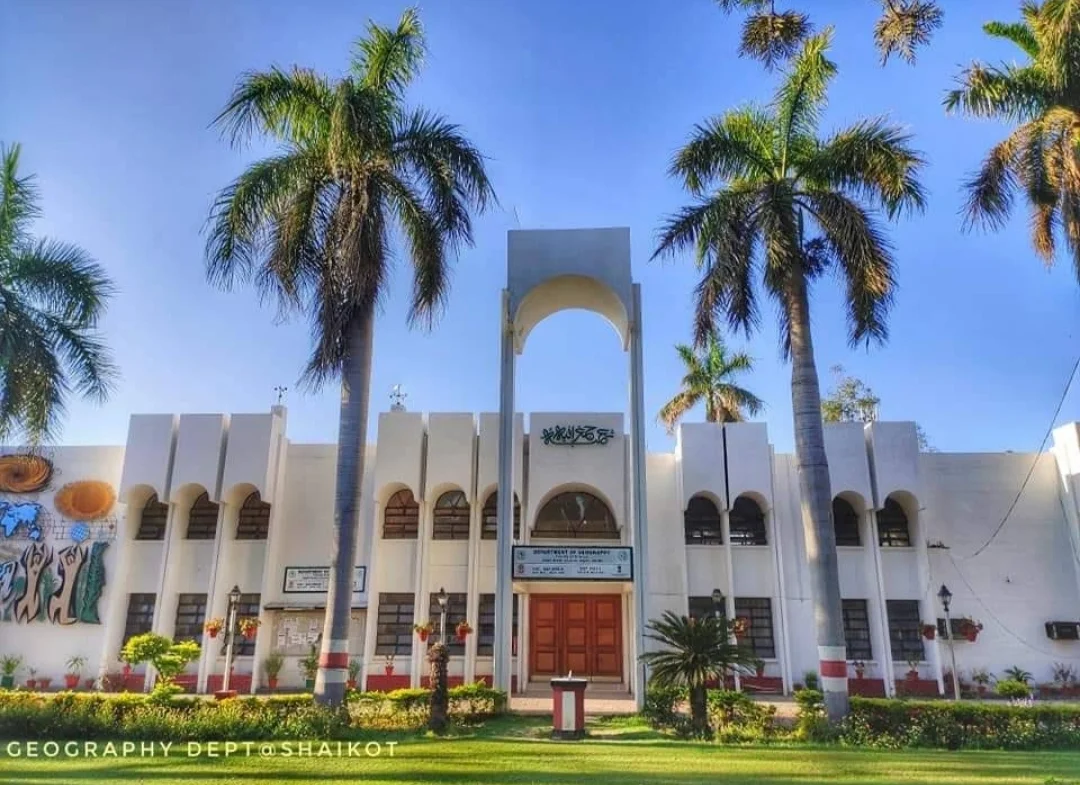
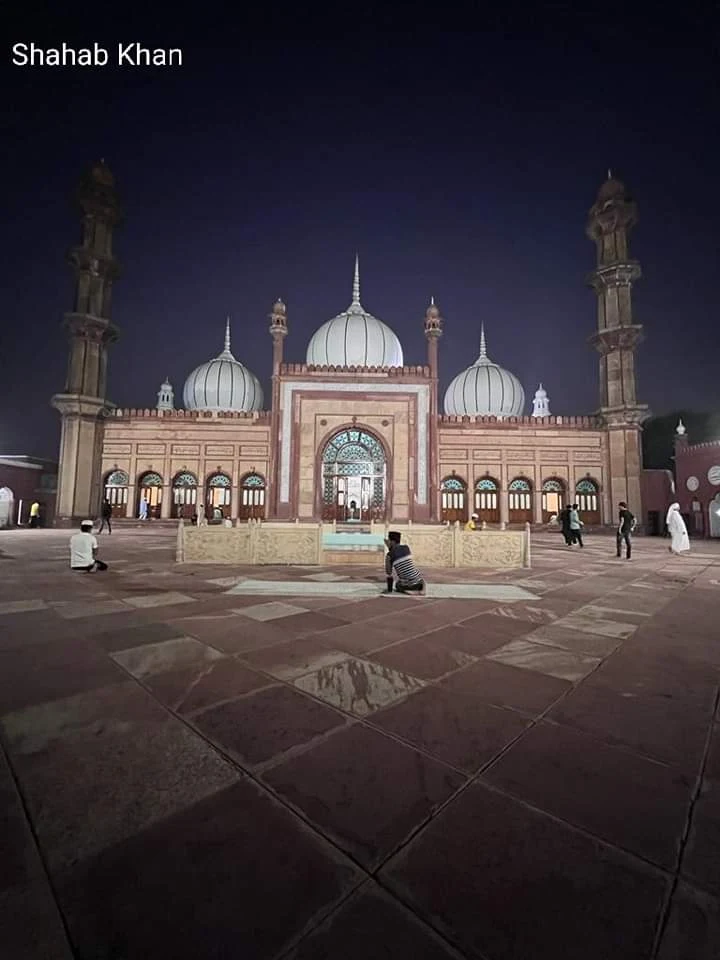
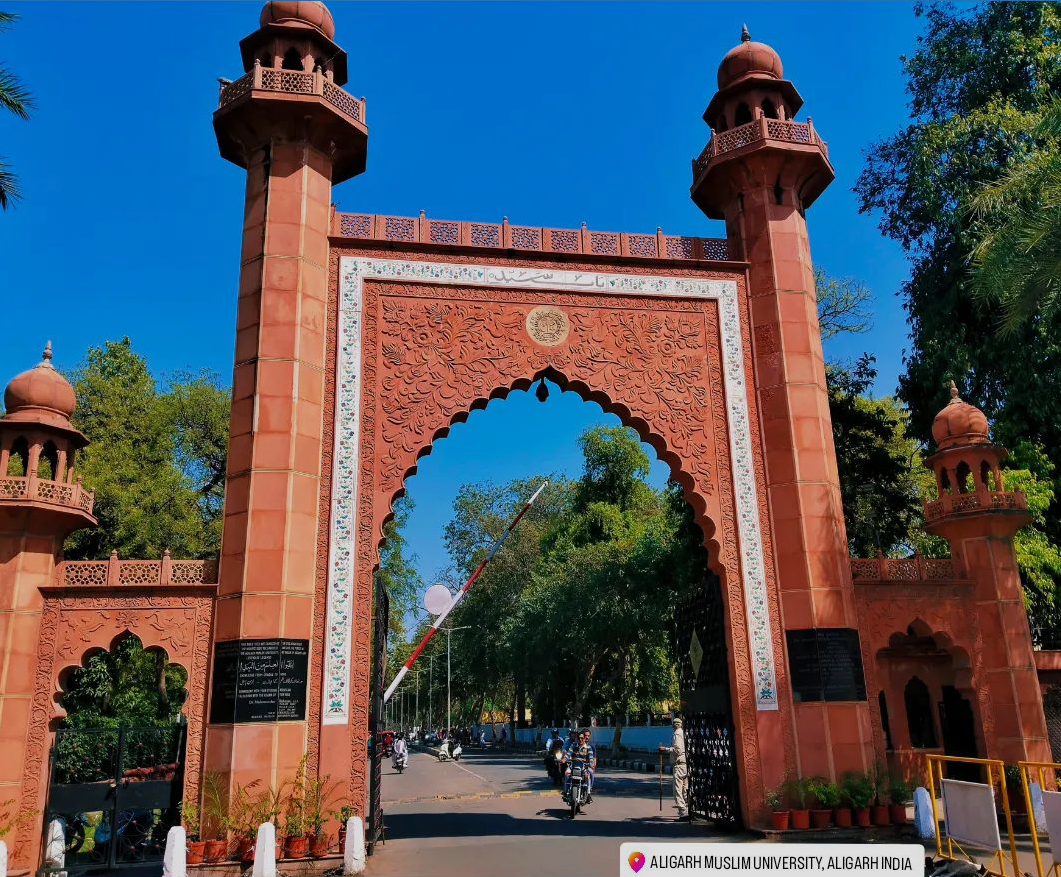
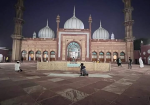
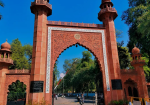
The Aligarh Muslim University (AMU) Campus in Aligarh, Uttar Pradesh, India, is a prominent educational and cultural landmark known for its expansive layout, Indo-Islamic architecture, and historical legacy. Established in 1875 by Sir Syed Ahmad Khan, the campus is central to one of India’s oldest and most prestigious universities.
Key facts
-
Founded: 1875 (as Muhammadan Anglo-Oriental College)
-
Campus size: Over 1,150 acres
-
Location: Aligarh, Uttar Pradesh, India
-
Architectural style: Indo-Saracenic and colonial influences
-
Landmarks: Maulana Azad Library, Strachey Hall, Kennedy Auditorium
Layout and Architecture


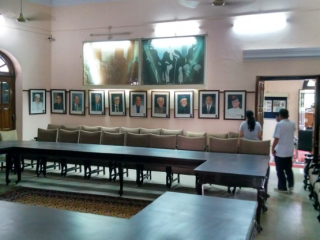
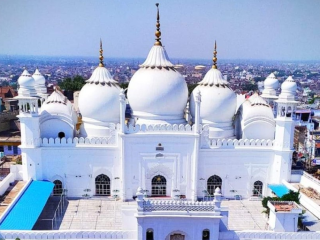
The AMU campus is designed as a self-contained township featuring academic departments, residential halls, libraries, and sports complexes. Its layout reflects the educational ideals of the late 19th century, combining British planning concepts with Mughal architectural motifs. Iconic structures such as the Victoria Gate and Sir Syed Hall showcase domes, arches, and red-brick facades that harmonize tradition with modernity.
Academic and Cultural Hub
The campus hosts dozens of faculties and centers, serving students from across India and abroad. It houses the Maulana Azad Library, one of Asia’s largest university libraries, and several museums and research institutes. The campus culture is deeply rooted in diversity, blending scholarly pursuit with rich traditions of debate, literature, and social reform.
Student Life and Facilities
AMU’s residential system includes over a dozen halls, each with its own history and student societies. Facilities such as the Kennedy Auditorium, sports grounds, and health services make the campus a vibrant community. Annual cultural and literary events like the Sir Syed Day celebrations highlight its living heritage and educational mission.
Significance
The AMU Campus stands as a symbol of educational modernization among India’s Muslim community and a model of pluralistic higher learning. Its influence extends beyond academics into India’s social and political history, shaping generations of intellectuals and public figures.