Festivals

s1
Festivals

Sir Syed Day

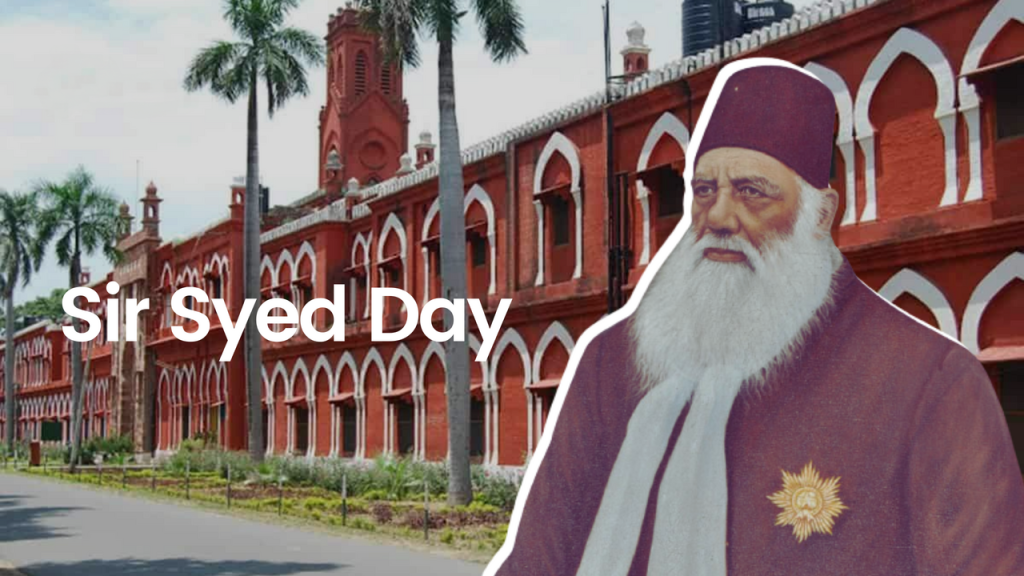
Sir Syed Day is an annual cultural and sports celebration held at Aligarh Muslim University (AMU) to honor its founder, Sir Syed Ahmad Khan. The festival commemorates his birth anniversary with a mix of athletic competitions, academic programs, and community gatherings across the university campus. Key facts Background Sir Syed Day marks the birthday of Sir Syed Ahmad Khan (1817–1898), the visionary reformer who established the Muhammadan Anglo-Oriental College—later Aligarh Muslim University. Since the university’s early years, students and faculty have observed this date as a time of remembrance and collective pride in his educational mission. Sports and cultural events 4 Athletics, cricket, football, and indoor tournaments dominate the campus schedule in the days leading to October 17. These competitions, organized by AMU’s various halls and faculties, culminate in award ceremonies that promote teamwork and physical excellence among students, reinforcing the founder’s emphasis on holistic education. Commemorative programs Alongside sports, Sir Syed Day features lectures, debates, poetry sessions, and exhibitions highlighting Sir Syed’s contributions to modern education and social reform. The Vice Chancellor delivers an address at the university’s central hall, while alumni and students participate in wreath-laying ceremonies at Sir Syed’s tomb within the campus. Significance The day serves as a unifying festival symbolizing AMU’s values of learning, service, and cultural heritage. It attracts students, faculty, and alumni from across India and abroad, reaffirming the enduring influence of Sir Syed Ahmad Khan’s vision for educational and communal progress.
a1
Festivals

AMU Cultural Festival

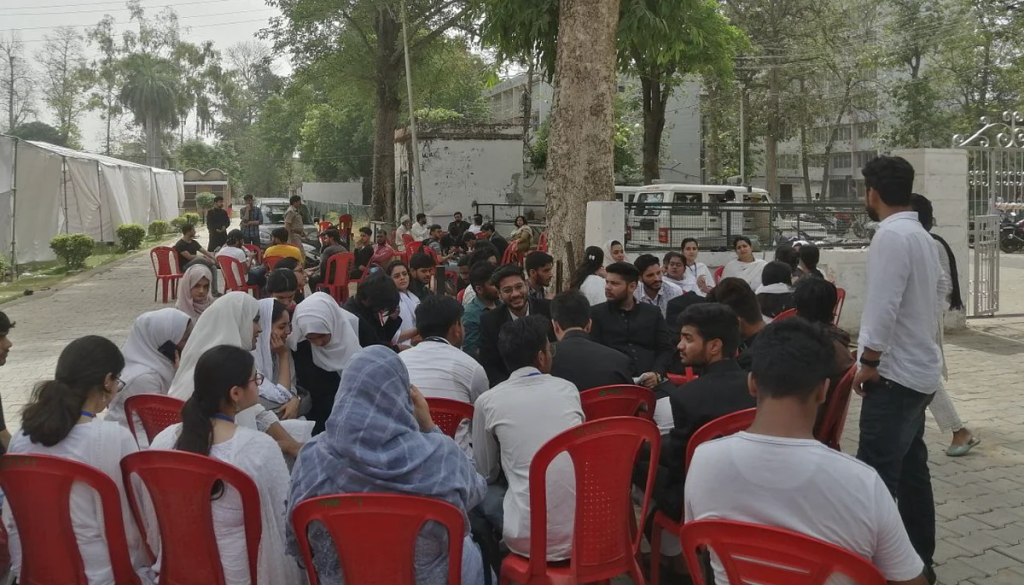
The AMU Cultural Festival is an annual college fest organized by students of Aligarh Muslim University (AMU) in Aligarh, Uttar Pradesh. It is a major intercollegiate cultural and sports event that showcases the university’s rich heritage, creativity, and talent across multiple disciplines, attracting participants from campuses nationwide. Key facts Origins and Purpose The festival was conceived to promote cultural exchange and creative expression among students. It blends AMU’s historical academic prestige with a vibrant youth culture, fostering inter-university interaction through art, music, theater, and sports events. Over time, it has become a symbol of AMU’s inclusive and dynamic campus life. Major Events The festival’s itinerary typically includes stage performances, literary contests, debates, and fine arts exhibitions alongside athletic competitions. Popular highlights often feature qawwali, ghazal nights, dramatics, and fashion shows reflecting the university’s cultural diversity. Sports tournaments provide a platform for emerging athletes to showcase their abilities. Cultural and Campus Impact The AMU Cultural Festival strengthens community ties by uniting students, alumni, and visitors in celebration of creativity and heritage. It plays a significant role in shaping campus identity, providing experiential learning in event management, and reinforcing AMU’s reputation as a leading center of academic and cultural excellence in India

e1
Festivals

Eid-ul-Adha in Aligarh

Eid-ul-Adha in Aligarh is a major Islamic festival celebrated with communal prayers, animal sacrifices, and acts of charity. It commemorates Prophet Ibrahim’s (Abraham’s) willingness to sacrifice his son as an act of obedience to God. In Aligarh, the event holds deep cultural and religious significance, reflecting both devotion and community solidarity. Key Facts Celebration and Rituals Eid-ul-Adha begins with special morning prayers at the city’s main Eidgah and mosques such as the Jama Masjid near the Aligarh Muslim University campus. After the sermon, families perform the Qurbani—ritual animal sacrifice—symbolizing gratitude and faith. Meat is divided into three parts: one for family, one for relatives, and one for the poor. Social and Cultural Significance The festival fosters unity among Aligarh’s diverse Muslim population, from university students to local traders. Markets bustle with preparations in the days before Eid, including animal bazaars and stalls selling traditional sweets and clothing. Acts of sharing and hospitality extend across neighborhoods, strengthening social cohesion. Local Traditions In Aligarh, Eid-ul-Adha celebrations often feature community feasts, local delicacies such as kebabs and sheer khurma, and visits to friends and relatives. Residents also participate in charitable drives organized by religious groups and student associations. The day concludes with communal meals and festive gatherings that highlight Aligarh’s blend of religious devotion and cultural vibrancy.

e1
Festivals

Eid-ul-Fitr

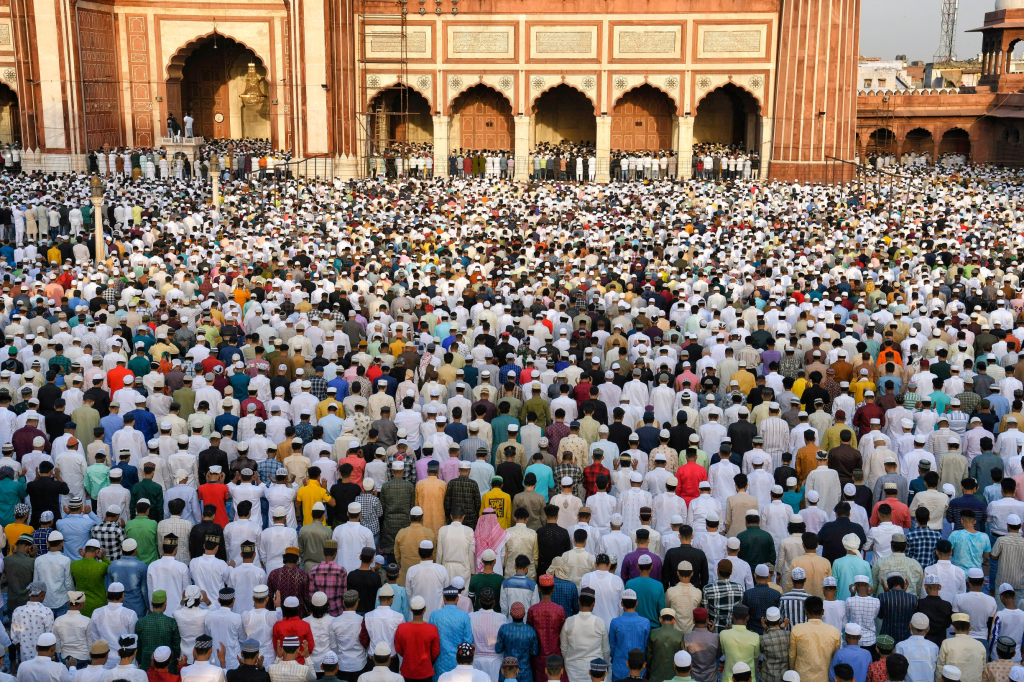
Eid-ul-Fitr in Aligarh is a major Islamic festival marking the end of Ramadan, celebrated with distinctive local customs. It combines communal prayers, social gatherings, and festive cuisine, reflecting the city’s rich cultural and religious diversity. Key facts Celebration and Rituals 4 Eid morning in Aligarh begins with the special Salat al-Eid prayer, performed at the central Eidgah and mosques such as Jama Masjid. Streets fill with worshippers dressed in new attire, exchanging greetings of “Eid Mubarak.” Before the prayer, families give Zakat al-Fitr—a charitable contribution to support those in need. Community and Social Life Aligarh’s Eid-ul-Fitr is a deeply social occasion. Families visit relatives, host open houses, and share meals. Local markets and neighborhoods near Aligarh Muslim University are especially vibrant, selling clothes, bangles, and festive foods. Non-Muslim residents often participate through greetings and gifts, underlining the city’s inclusive spirit. Cultural Flavor Traditional dishes like sheer khurma, a sweet milk-based dessert with dates and nuts, are central to Eid tables. Culinary practices blend Mughlai and North Indian influences, a reflection of Aligarh’s historic Muslim heritage. Poetry recitations and community fairs sometimes accompany the festivities, reinforcing cultural identity. Significance Eid-ul-Fitr in Aligarh symbolizes gratitude, renewal, and social harmony. Beyond its religious dimension, it strengthens neighborhood bonds and showcases the city’s role as a center of Islamic scholarship and multicultural coexistence.

d1
Festivals

Diwali

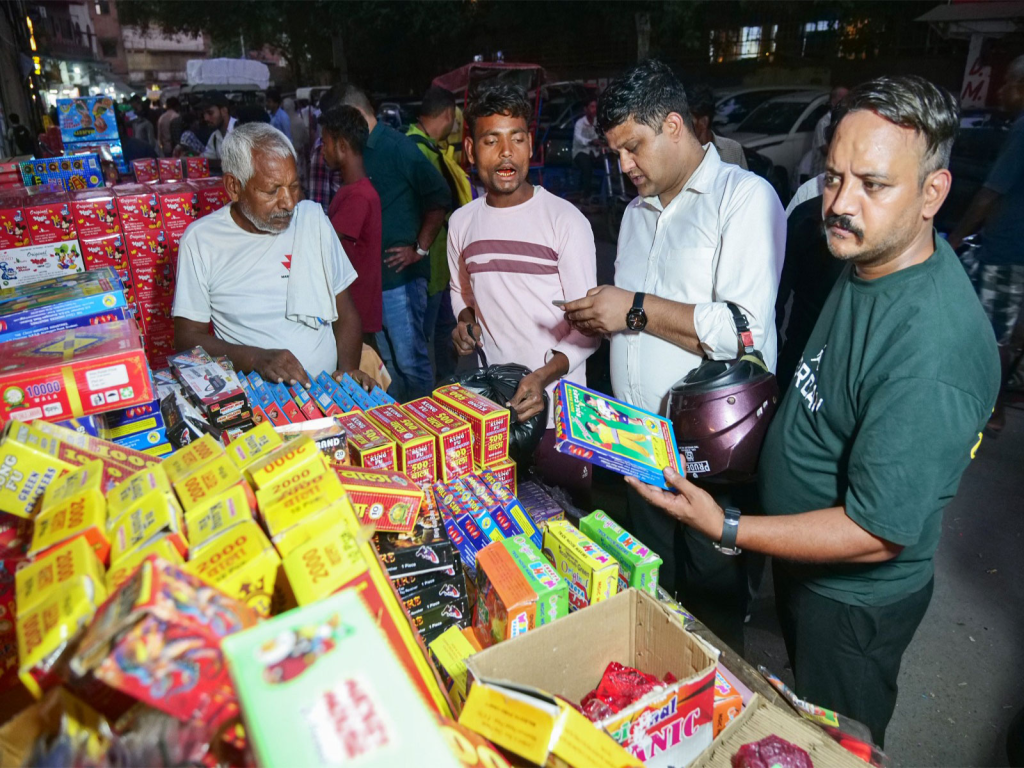
Diwali in Aligarh is the local celebration of the pan-Indian Hindu festival of lights, marking the triumph of light over darkness and good over evil. In Aligarh, Uttar Pradesh, the festival blends religious devotion with vibrant community and commercial life, reflecting both traditional and modern expressions of joy. Key facts Festive traditions In Aligarh, Diwali is celebrated with households cleaning and decorating their homes, lighting oil lamps (diyas), and creating rangoli patterns at doorsteps. Families perform Lakshmi Puja to invite prosperity, while children and youth participate in lighting fireworks and sharing sweets. Local temples and markets glow with lamps, garlands, and electric decorations. Markets and commerce 5 Aligarh’s major commercial areas—such as Railway Road, Center Point, and Upper Fort Road—bustle with shoppers buying gifts, clothing, diyas, and confectionery. Local artisans and vendors experience peak business, with handcrafted clay lamps and sweets like laddus and barfis in high demand. Community and cultural significance Diwali fosters communal harmony in Aligarh, with people from diverse backgrounds participating in the festivities. Educational institutions, residential societies, and civic bodies often host public lighting events and cultural performances, emphasizing unity and renewal at the start of the Hindu New Year. Environmental awareness In recent years, awareness campaigns have encouraged eco-friendly celebrations—promoting earthen diyas over plastic lights and discouraging excessive fireworks to reduce pollution—reflecting a growing balance between tradition and sustainability in Aligarh’s Diwali observance.