
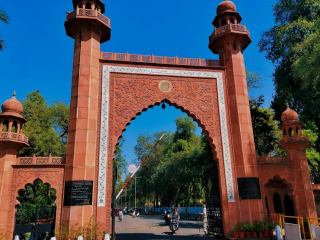
AMU Cultural Festival
The AMU Cultural Festival is the flagship intercollegiate cultural and sports event of Aligarh Muslim University (AMU), held annually in Aligarh, India. It brings together students from across India to compete and collaborate in athletics, performing arts, and literary activities, celebrating diversity and campus spirit. Key facts Host: Aligarh Muslim University Location: Aligarh, Uttar Pradesh, India Frequency: Annual (typically in spring) Participants: Students from Indian universities and colleges Events: Sports, music, drama, debate, fine arts, and cultural showcases Origins and Purpose The AMU Cultural Festival was established to promote cultural exchange, sportsmanship, and creative expression among youth. Rooted in AMU’s long-standing academic and social traditions, it provides a national platform for showcasing student talent beyond the classroom through both competitive and collaborative events. Sports and Competitions Sports form a major part of the festival, featuring athletics, football, basketball, cricket, and indoor games. Participants represent various faculties and external institutions, fostering teamwork and healthy rivalry. Winners often gain recognition at inter-university and national sports circuits. Cultural and Literary Programs 5 Alongside sports, the festival hosts music and dance performances, stage plays, debates, poetry recitations (mushaira), and art exhibitions. These events highlight AMU’s inclusive ethos and linguistic diversity, with programs often in Urdu, Hindi, and English. Impact and Legacy The festival has grown into a significant cultural and sporting tradition within North India’s university circuit. It strengthens student identity and community engagement while preserving AMU’s heritage of intellectual and artistic excellence. Each edition reflects evolving youth culture while maintaining the university’s historical values of unity and excellence.
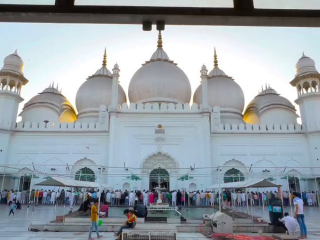
Eid-ul-Fitr celebrations
Eid-ul-Fitr celebrations in Aligarh, Uttar Pradesh, mark the joyful conclusion of the Islamic holy month of Ramadan. The event gathers the city’s Muslim community for mass prayers, feasts, and community activities, blending religious devotion with local cultural expression. Key facts Location: Aligarh, Uttar Pradesh, India Timing: 1st day of Shawwal, following the Ramadan moon sighting Major venue: Eidgah and Jama Masjid, Aligarh Duration: 1–3 days Core practices: Eid namaz, charity (Zakat al-Fitr), family feasts Religious and social observances The day begins with special congregational prayers at the Aligarh Eidgah, drawing thousands of worshippers. Before the prayer, participants give Zakat al-Fitr, a form of almsgiving that ensures all Muslims can join the festivities. Sermons emphasize gratitude, compassion, and community unity, followed by greetings of “Eid Mubarak.” Cultural and culinary traditions 5 Families prepare elaborate meals featuring traditional dishes such as sevaiyan (sweet vermicelli), biryani, kebabs, and sheer khurma. Homes are decorated, children receive gifts or “Eidi,” and people visit friends and relatives. Markets and streets near the city center become vibrant with food stalls, clothing shops, and lights. Community engagement Beyond personal celebrations, Aligarh’s Eid-ul-Fitr has a strong communal dimension. Local organizations and mosques arrange iftar and Eid meals for the underprivileged. The festive spirit extends across religious boundaries, with non-Muslim neighbors often participating in the exchange of sweets and greetings. Civic and cultural significance Eid-ul-Fitr in Aligarh reflects the city’s long-standing traditions of pluralism and hospitality. The celebration reinforces social bonds and contributes to the cultural rhythm of Uttar Pradesh, showcasing how faith and festivity coexist in one of India’s historic university towns.
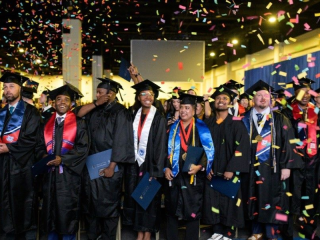
AMU Annual Convocation
The AMU Annual Convocation is a formal university ceremony held at Aligarh Muslim University (AMU) to confer degrees, diplomas, and academic honors on graduating students. It is one of the university’s most prestigious yearly events, celebrating academic achievement and institutional legacy. Key facts Host institution: Aligarh Muslim University (AMU) Location: Aligarh, Uttar Pradesh, India Frequency: Annually Purpose: Conferment of degrees and medals Attendees: Graduates, faculty, dignitaries, and invited guests Background and significance The convocation tradition at AMU dates back to the early 20th century, reflecting the institution’s historical roots in the Muhammadan Anglo-Oriental College founded by Sir Syed Ahmad Khan. It marks the culmination of students’ academic journeys and showcases the university’s commitment to scholarly excellence and national service. The event also serves to strengthen alumni connections and institutional pride. Ceremony and proceedings Held in the main convocation hall or an open ceremonial venue, the event typically begins with a university procession led by the Vice-Chancellor. The Chancellor presides over the ceremony, conferring degrees and honors. Distinguished speakers, often national leaders or scholars, deliver keynote addresses emphasizing education, social progress, and scientific advancement. Notable guests and honors Prominent figures from academia, politics, and public life are frequently invited as chief guests. Past convocations have hosted Presidents and Vice Presidents of India. In addition to degrees, gold medals and special awards are presented to top-performing students across faculties. Cultural and institutional impact The AMU Annual Convocation symbolizes both continuity and aspiration within the university community. It reinforces AMU’s role as a leading center of higher learning in India and reflects its enduring influence in nurturing scholars, professionals, and public leaders.

Aligarh Annual Exhibition
The Aligarh Annual Exhibition, also known locally as Numaish, is a major cultural and sports event held every year in Aligarh, Uttar Pradesh, India. Established in the early 20th century, it combines trade, entertainment, and athletic competitions, drawing large crowds from across the region. Key facts Location: Exhibition Ground, Aligarh, Uttar Pradesh Founded: 1920s Frequency: Annual (January–March) Features: Trade stalls, sports events, cultural performances Organizer: Aligarh Exhibition Committee Origins and Evolution The exhibition began as a modest industrial and agricultural fair to promote local trade and craftsmanship. Over time, it evolved into a large-scale event showcasing regional industries, educational institutions, and recreational activities. Sports and games gradually became integral, promoting youth participation and community engagement. Sports and Athletic Activities While primarily a trade and cultural fair, the Aligarh Annual Exhibition hosts numerous sports competitions. Events include athletics, traditional games, kabaddi, wrestling, and sometimes cricket matches, attracting local clubs and schools. The inclusion of sports fosters local talent and strengthens community ties. Cultural and Economic Significance The exhibition functions as a social and economic hub for Aligarh and nearby districts. Alongside sports, it features cultural performances, amusement rides, and food stalls. It boosts local business activity and serves as a platform for artisans and small enterprises to showcase their work. Present-Day Status Today, the Aligarh Annual Exhibition remains one of North India’s prominent regional fairs. It continues to integrate entertainment, culture, and sports, maintaining its legacy as a symbol of Aligarh’s social vibrancy and communal spirit.
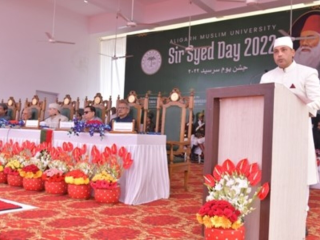
AMU Sir Syed Day
Sir Syed Day at Aligarh Muslim University (AMU) is an annual commemorative event held in honor of Sir Syed Ahmad Khan, the university’s founder and a leading 19th-century reformer. Marked every October 17, it celebrates his birth anniversary with ceremonies, sports, and cultural programs across AMU’s campus in Aligarh, Uttar Pradesh. Key facts Date: October 17 (annual) Venue: Aligarh Muslim University, Uttar Pradesh, India Named after: Sir Syed Ahmad Khan (1817–1898) Founded: Observed since early 20th century Activities: Sports meets, academic sessions, cultural and literary events Historical significance Sir Syed Ahmad Khan founded the Mohammedan Anglo-Oriental College in 1875, which later became AMU. Sir Syed Day preserves his legacy of modern education for Indian Muslims and his advocacy for scientific and rational learning. The commemoration highlights AMU’s historical mission as a center of intellectual and social reform. Sports and celebrations Sports events form a major part of the Sir Syed Day observance. The university organizes inter-hall and inter-faculty tournaments in cricket, football, hockey, and athletics, culminating in prize distributions and parades at the AMU Athletics Ground. These competitions foster campus unity and pay tribute to Sir Syed’s emphasis on holistic education. Cultural and academic programs The celebration includes essay contests, debates, lectures, and exhibitions on Sir Syed’s life and vision. University departments host seminars exploring his role in modern Indian education and reform movements. The main ceremony features speeches by AMU’s Vice-Chancellor and guests, wreath-laying at Sir Syed’s tomb within the campus, and illumination of university buildings.