i2
Temples

ISKCON Temple Aligarh

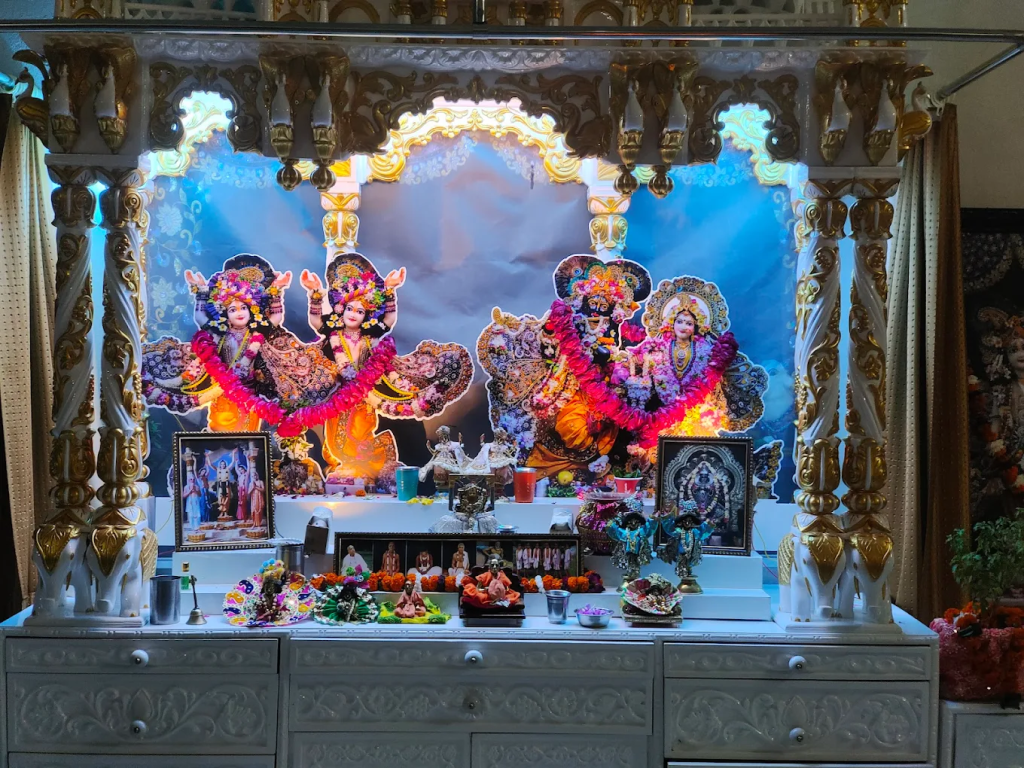
The ISKCON Temple Aligarh is a spiritual and cultural landmark of the International Society for Krishna Consciousness (ISKCON), located in Aligarh, Uttar Pradesh, India. Dedicated to Lord Krishna, the temple serves as a hub for Vaishnava worship, devotional music, and community service in the region. Key facts Architecture and Layout The temple showcases traditional North Indian temple architecture with domed shikharas and intricately carved motifs. The main sanctum houses the deities of Sri Sri Radha and Krishna, surrounded by bright murals depicting scenes from the Bhagavad Gita and the life of Krishna. The temple complex includes prayer halls, guest facilities, and a prasad distribution area. Religious and Cultural Activities ISKCON Aligarh conducts regular bhakti-yoga sessions, kirtans (devotional singing), and classes on the Bhagavad Gita. Major festivals such as Janmashtami and Ratha Yatra draw large crowds, featuring devotional processions and cultural programs. The temple also organizes youth outreach and food donation drives under the “Food for Life” initiative. Community Role Beyond worship, the temple acts as a community center promoting spiritual education and social welfare. It attracts devotees, students, and visitors seeking a serene environment for meditation and cultural engagement. The temple’s charitable work, particularly in providing meals to the needy, has made it an integral part of Aligarh’s social landscape.
k2
Temples

Khereshwar Temple

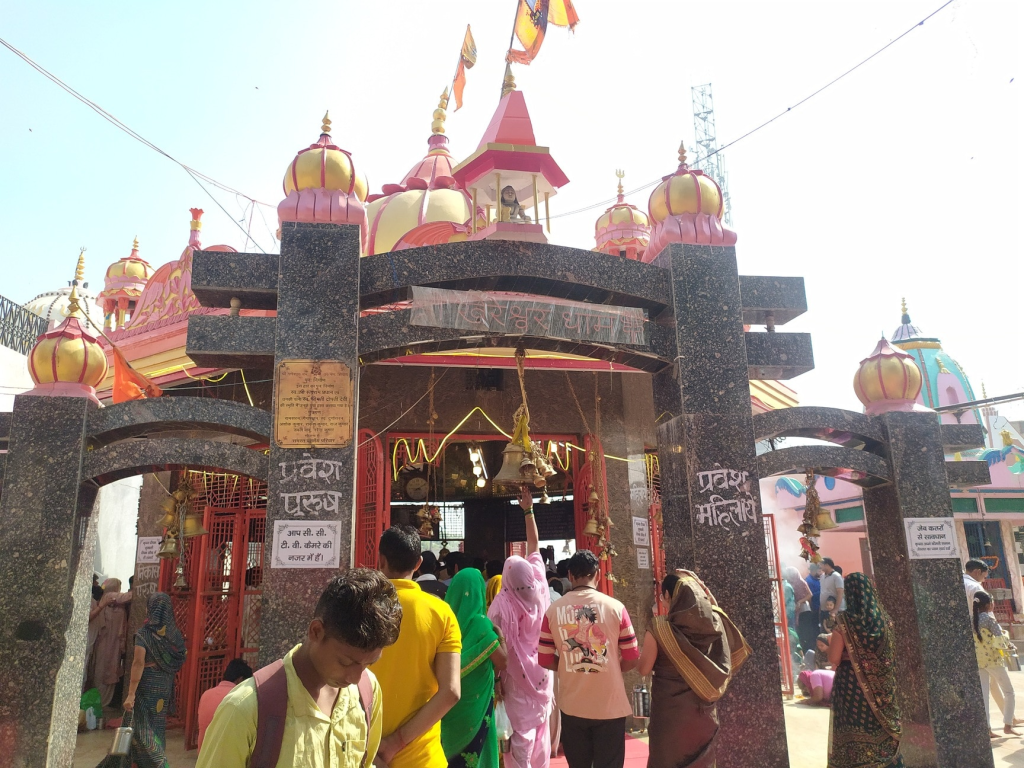
Khereshwar Temple is a revered Hindu shrine located near Aligarh, Uttar Pradesh, India. Dedicated to Lord Shiva, it is locally known as the Khereshwar Mahadev Temple and is a significant site for devotees, particularly during the holy month of Shravan. Key facts Religious significance The temple holds deep spiritual importance for followers of Lord Shiva. Pilgrims visit throughout the year, with peak attendance during Shravan and on Maha Shivaratri. Local tradition considers the temple a powerful place for blessings and fulfillment of vows, contributing to its prominence in regional devotion. Architecture and surroundings The temple features classic North Indian architecture, with a prominent shikhara (spire) and sanctum housing a Shiva linga. The site is set amid a serene landscape, enhancing its atmosphere of devotion and tranquility. Surrounding areas often host fairs and gatherings during religious festivals, drawing both locals and visitors. Cultural and local role Khereshwar Temple serves as a focal point for community worship and local cultural events. Its presence reinforces Aligarh’s spiritual heritage, connecting contemporary worship practices with long-standing Shaivite traditions of the region.

s1
Temples

Achal Taal Temple

Achal Taal Temple is a historic lakeside temple complex in Aligarh, Uttar Pradesh, centered around the Achal Sarovar (Achal Taal) and the prominent Hanuman shrine often called Gilahraj Ji Hanuman Mandir. It is both a local pilgrimage site and a symbolic heritage landmark linked in legend to the Mahabharata period. Key facts Background and legends Local tradition connects Achal Taal to the Mahabharata, saying the Pandava brothers Nakul and Sahadev bathed in this pond during their exile and worshipped here, giving the site ancient sanctity. Over time, temples multiplied around the sarovar, turning it into a compact pilgrimage circuit for residents of Aligarh and nearby regions. Gilahraj Ji Hanuman Mandir Within the Achal Taal area, the best-known shrine is Gilahraj (or Gilharaj) Ji Hanuman Mandir. The presiding form of Hanuman is uniquely associated with a “squirrel-like” aspect, tied to Nath-sect saints and local visionary legends about the discovery of the idol in a mound of earth. This distinctive iconography makes the temple notable among Hanuman shrines in India. Present-day temple complex and visits The Achal Taal Temple area now includes multiple small shrines, ghats around the pond, and active Hanuman worship with peak crowds on Tuesdays, Saturdays, and Hanuman Jayanti. Visitors come for darshan, circumambulation of the sarovar, and seasonal fairs; many locals regard the deity as a protective guardian for Aligarh city.

s1
Festivals

Sir Syed Day

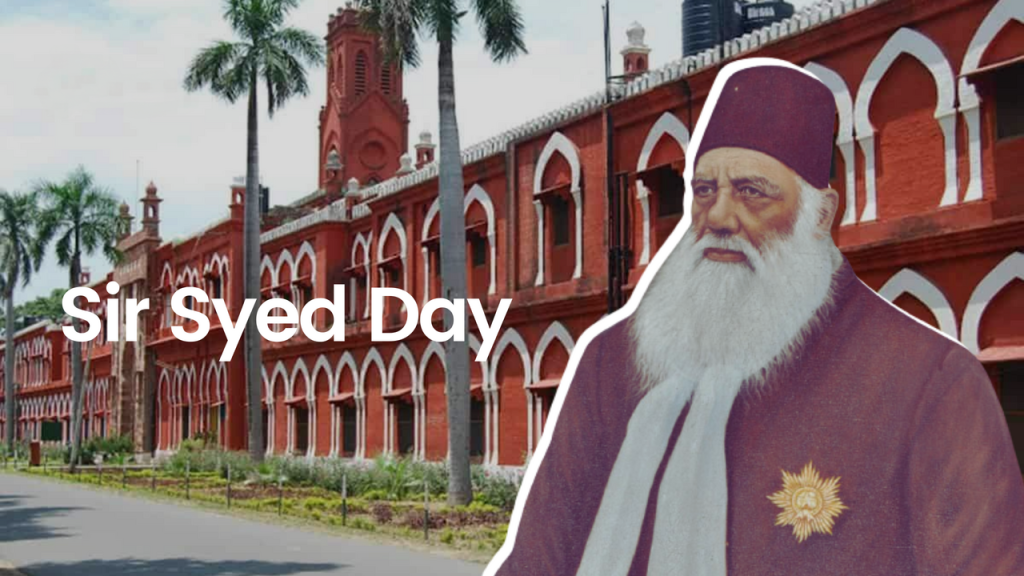
Sir Syed Day is an annual cultural and sports celebration held at Aligarh Muslim University (AMU) to honor its founder, Sir Syed Ahmad Khan. The festival commemorates his birth anniversary with a mix of athletic competitions, academic programs, and community gatherings across the university campus. Key facts Background Sir Syed Day marks the birthday of Sir Syed Ahmad Khan (1817–1898), the visionary reformer who established the Muhammadan Anglo-Oriental College—later Aligarh Muslim University. Since the university’s early years, students and faculty have observed this date as a time of remembrance and collective pride in his educational mission. Sports and cultural events 4 Athletics, cricket, football, and indoor tournaments dominate the campus schedule in the days leading to October 17. These competitions, organized by AMU’s various halls and faculties, culminate in award ceremonies that promote teamwork and physical excellence among students, reinforcing the founder’s emphasis on holistic education. Commemorative programs Alongside sports, Sir Syed Day features lectures, debates, poetry sessions, and exhibitions highlighting Sir Syed’s contributions to modern education and social reform. The Vice Chancellor delivers an address at the university’s central hall, while alumni and students participate in wreath-laying ceremonies at Sir Syed’s tomb within the campus. Significance The day serves as a unifying festival symbolizing AMU’s values of learning, service, and cultural heritage. It attracts students, faculty, and alumni from across India and abroad, reaffirming the enduring influence of Sir Syed Ahmad Khan’s vision for educational and communal progress.

a1
Festivals

AMU Cultural Festival

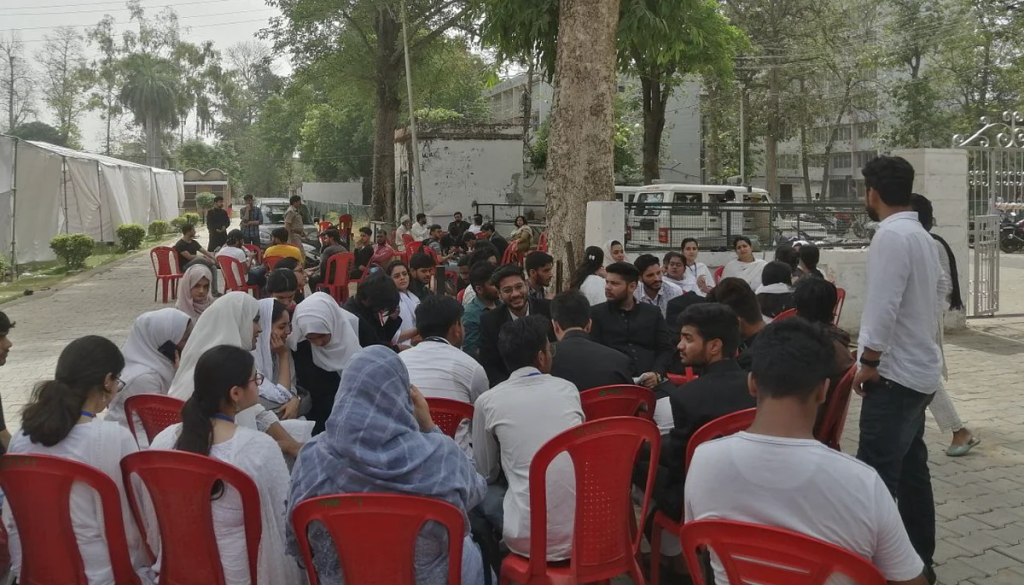
The AMU Cultural Festival is an annual college fest organized by students of Aligarh Muslim University (AMU) in Aligarh, Uttar Pradesh. It is a major intercollegiate cultural and sports event that showcases the university’s rich heritage, creativity, and talent across multiple disciplines, attracting participants from campuses nationwide. Key facts Origins and Purpose The festival was conceived to promote cultural exchange and creative expression among students. It blends AMU’s historical academic prestige with a vibrant youth culture, fostering inter-university interaction through art, music, theater, and sports events. Over time, it has become a symbol of AMU’s inclusive and dynamic campus life. Major Events The festival’s itinerary typically includes stage performances, literary contests, debates, and fine arts exhibitions alongside athletic competitions. Popular highlights often feature qawwali, ghazal nights, dramatics, and fashion shows reflecting the university’s cultural diversity. Sports tournaments provide a platform for emerging athletes to showcase their abilities. Cultural and Campus Impact The AMU Cultural Festival strengthens community ties by uniting students, alumni, and visitors in celebration of creativity and heritage. It plays a significant role in shaping campus identity, providing experiential learning in event management, and reinforcing AMU’s reputation as a leading center of academic and cultural excellence in India

e1
Festivals

Eid-ul-Adha in Aligarh

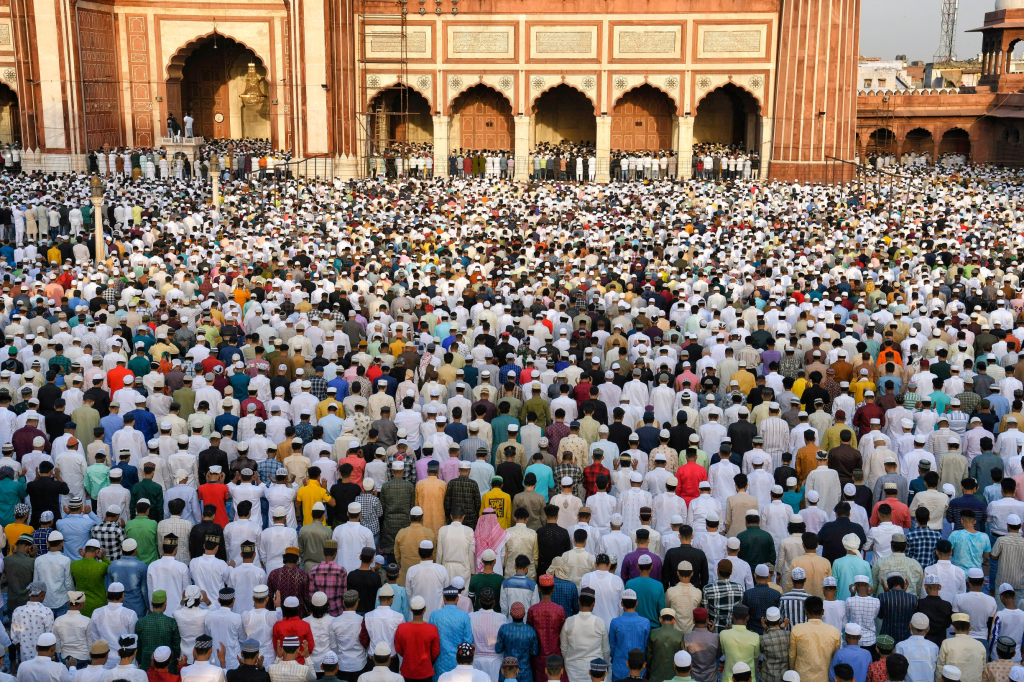
Eid-ul-Adha in Aligarh is a major Islamic festival celebrated with communal prayers, animal sacrifices, and acts of charity. It commemorates Prophet Ibrahim’s (Abraham’s) willingness to sacrifice his son as an act of obedience to God. In Aligarh, the event holds deep cultural and religious significance, reflecting both devotion and community solidarity. Key Facts Celebration and Rituals Eid-ul-Adha begins with special morning prayers at the city’s main Eidgah and mosques such as the Jama Masjid near the Aligarh Muslim University campus. After the sermon, families perform the Qurbani—ritual animal sacrifice—symbolizing gratitude and faith. Meat is divided into three parts: one for family, one for relatives, and one for the poor. Social and Cultural Significance The festival fosters unity among Aligarh’s diverse Muslim population, from university students to local traders. Markets bustle with preparations in the days before Eid, including animal bazaars and stalls selling traditional sweets and clothing. Acts of sharing and hospitality extend across neighborhoods, strengthening social cohesion. Local Traditions In Aligarh, Eid-ul-Adha celebrations often feature community feasts, local delicacies such as kebabs and sheer khurma, and visits to friends and relatives. Residents also participate in charitable drives organized by religious groups and student associations. The day concludes with communal meals and festive gatherings that highlight Aligarh’s blend of religious devotion and cultural vibrancy.

e1
Festivals

Eid-ul-Fitr

Eid-ul-Fitr in Aligarh is a major Islamic festival marking the end of Ramadan, celebrated with distinctive local customs. It combines communal prayers, social gatherings, and festive cuisine, reflecting the city’s rich cultural and religious diversity. Key facts Celebration and Rituals 4 Eid morning in Aligarh begins with the special Salat al-Eid prayer, performed at the central Eidgah and mosques such as Jama Masjid. Streets fill with worshippers dressed in new attire, exchanging greetings of “Eid Mubarak.” Before the prayer, families give Zakat al-Fitr—a charitable contribution to support those in need. Community and Social Life Aligarh’s Eid-ul-Fitr is a deeply social occasion. Families visit relatives, host open houses, and share meals. Local markets and neighborhoods near Aligarh Muslim University are especially vibrant, selling clothes, bangles, and festive foods. Non-Muslim residents often participate through greetings and gifts, underlining the city’s inclusive spirit. Cultural Flavor Traditional dishes like sheer khurma, a sweet milk-based dessert with dates and nuts, are central to Eid tables. Culinary practices blend Mughlai and North Indian influences, a reflection of Aligarh’s historic Muslim heritage. Poetry recitations and community fairs sometimes accompany the festivities, reinforcing cultural identity. Significance Eid-ul-Fitr in Aligarh symbolizes gratitude, renewal, and social harmony. Beyond its religious dimension, it strengthens neighborhood bonds and showcases the city’s role as a center of Islamic scholarship and multicultural coexistence.

d1
Festivals

Diwali

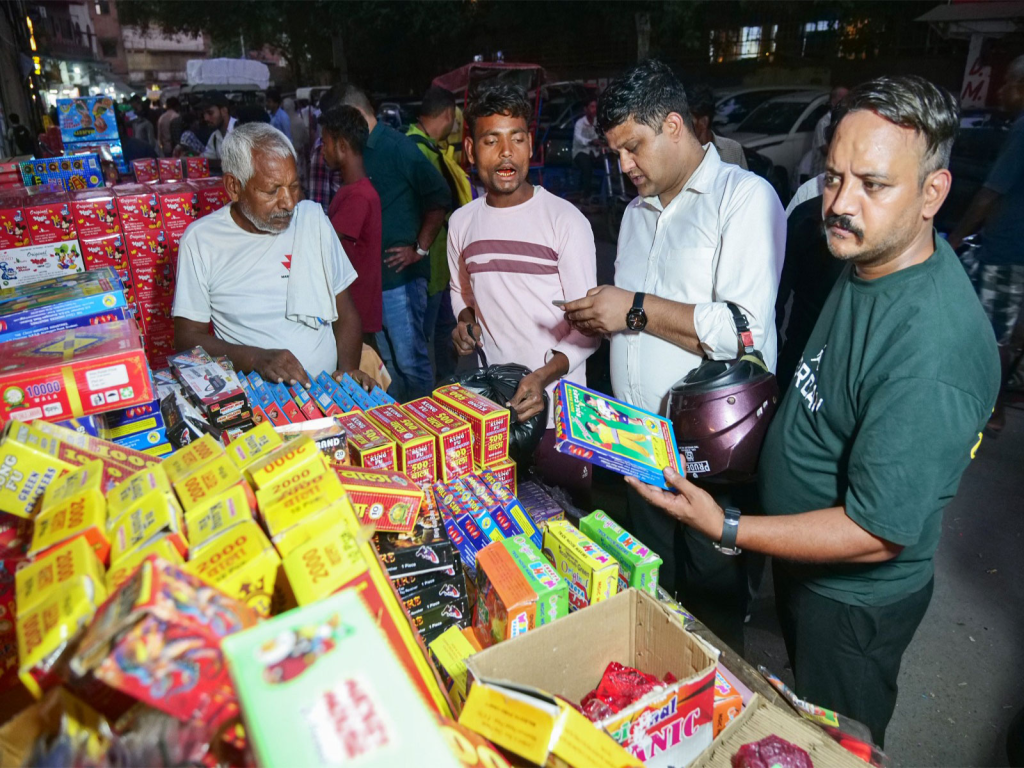
Diwali in Aligarh is the local celebration of the pan-Indian Hindu festival of lights, marking the triumph of light over darkness and good over evil. In Aligarh, Uttar Pradesh, the festival blends religious devotion with vibrant community and commercial life, reflecting both traditional and modern expressions of joy. Key facts Festive traditions In Aligarh, Diwali is celebrated with households cleaning and decorating their homes, lighting oil lamps (diyas), and creating rangoli patterns at doorsteps. Families perform Lakshmi Puja to invite prosperity, while children and youth participate in lighting fireworks and sharing sweets. Local temples and markets glow with lamps, garlands, and electric decorations. Markets and commerce 5 Aligarh’s major commercial areas—such as Railway Road, Center Point, and Upper Fort Road—bustle with shoppers buying gifts, clothing, diyas, and confectionery. Local artisans and vendors experience peak business, with handcrafted clay lamps and sweets like laddus and barfis in high demand. Community and cultural significance Diwali fosters communal harmony in Aligarh, with people from diverse backgrounds participating in the festivities. Educational institutions, residential societies, and civic bodies often host public lighting events and cultural performances, emphasizing unity and renewal at the start of the Hindu New Year. Environmental awareness In recent years, awareness campaigns have encouraged eco-friendly celebrations—promoting earthen diyas over plastic lights and discouraging excessive fireworks to reduce pollution—reflecting a growing balance between tradition and sustainability in Aligarh’s Diwali observance.

r1
Latest News

Families Still Seek Justice After Hooch Tragedy

Nearly four years after the deadly 2021 Aligarh hooch tragedy, survivors’ families are still asking for adequate compensation and accountability.Villagers say the impact was hardest on poor, daily wage-earning families.Allegations have been made about a nexus between bootleggers, suppliers of toxic chemicals, and officials.Campaigners argue that mere prison sentences are not enough without full compensation.This remains a sensitive social issue in affected communities

l1
Latest News

Life Term for Tantrik in Child Assault Case

An Aligarh court delivered life imprisonment to a 30-year-old man convicted of repeatedly raping and blackmailing a minor Dalit girl.The verdict also imposed a fine, reflecting the severity of the crimes.The accused exploited family trust to commit sexual offenses over two years.Cases under the POCSO and anti-intimidation laws were invoked during prosecution.The sentence underlines judicial intent to deter crimes against children.